



















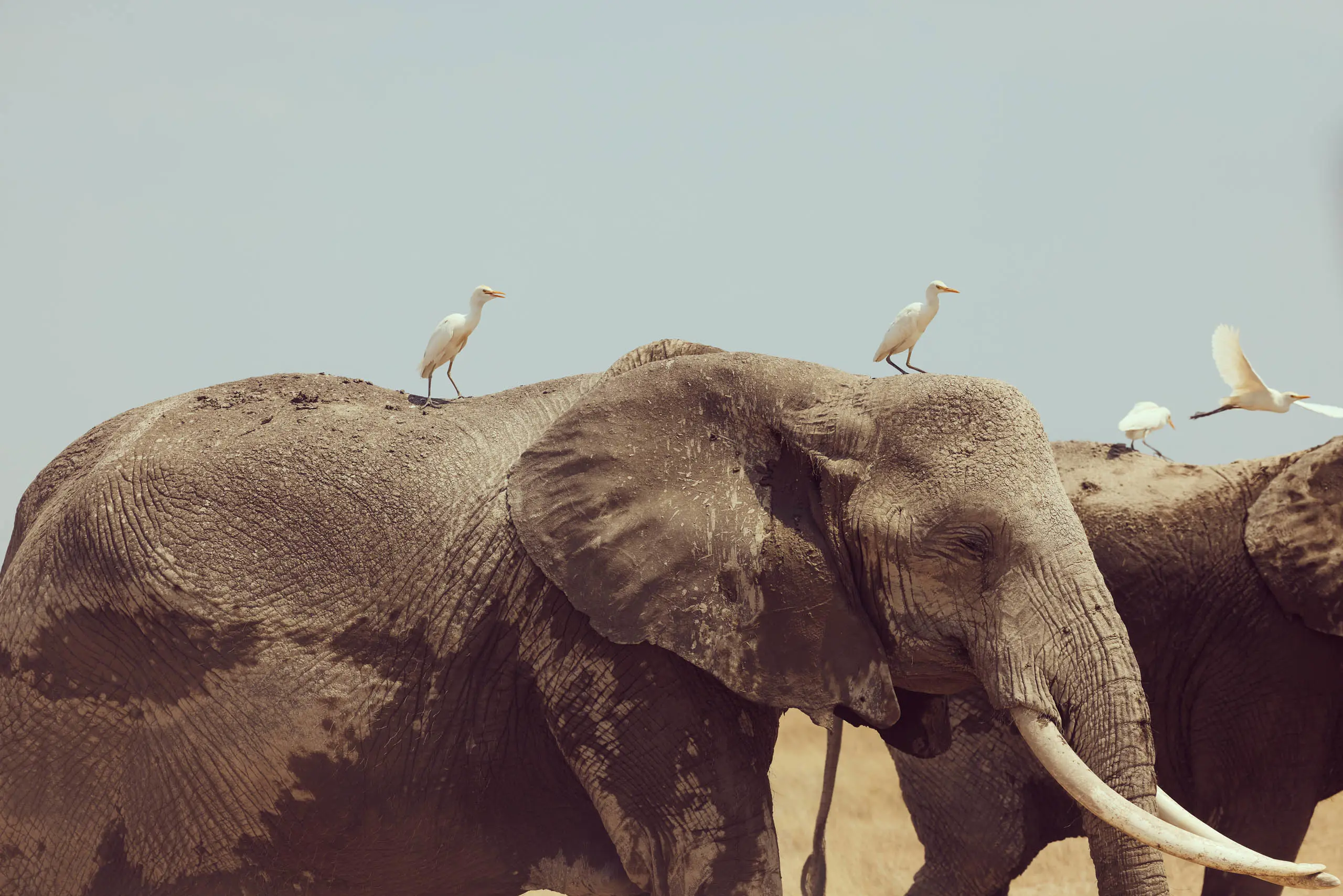





We were fortunate enough to meet one of the rare Super Tuskers: Craig. Thanks to dedicated conservation work, Craig spent 54 years roaming around Amboseli National Park. His time on this planet has now reached its natural end — but his legacy lives on.
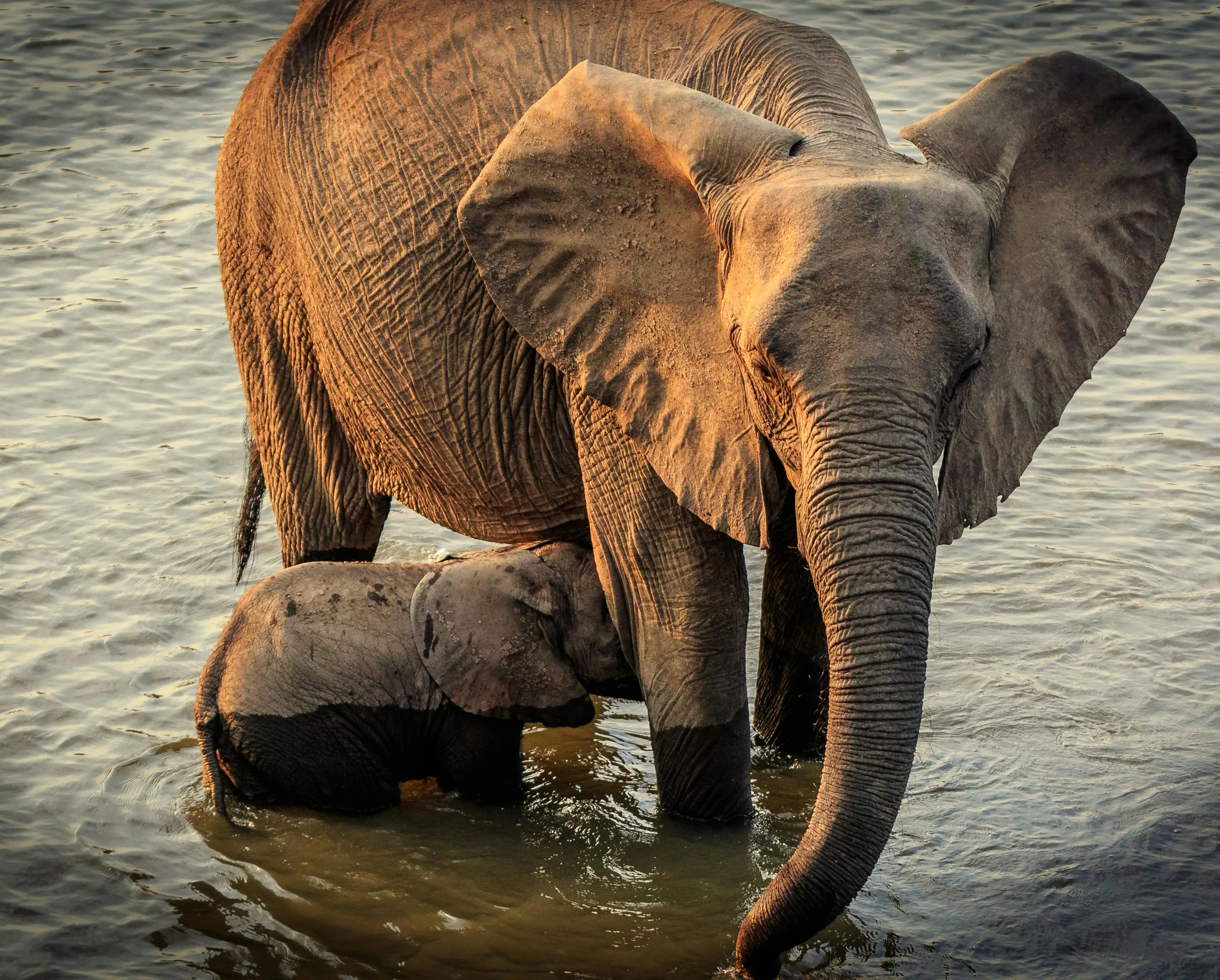
Craig was one of a handful of remaining Super Tuskers. These prehistoric pachyderms have a genetic variation meaning their tusks resemble those of woolly mammoths more than they do the 2,000 or so African elephants who also call this area home. Fearsome-looking though they are, this distinctive feature is also what makes Super Tuskers so vulnerable.
Prolonged protection by the Kenyan government and from the Amboseli rangers allowed Craig to reach the grand old age of 54. He spent his days either in quiet contemplation in the south of the park or the Kitenden Conservancy (where Discover Collection Lemomo is situated) or teaching elephant etiquette to a group of young males known as askaris.
The Maasai have coexisted with the Super Tuskers in the borderlands between Kenya and Tanzania for thousands of years; indeed, some clans are named after them.


Our guide explained that Craig would sometimes get bored and walk to Tanzania and that he would always be relieved when Craig returned home, “because the Tanzanian government recently awarded new hunting licenses after a 30-year amnesty.”
At Discover Collection Lemomo and in the Kitenden Conservancy, Craig’s peers continue to be protected around the clock both by armed rangers and unofficially by the thousands of Maasai families who depend on tourism for their livelihoods.
Craig represents the rich heritage and ecosystem of the Serengeti. Every animal has its place and the local community work tirelessly to maintain natural equilibrium. Craig’s loss is felt across Amboseli, showcasing the tremendous force of nature that Super Tuskers represent.